
February 27, 2026
Can You Charge a Solar Generator on Cloudy Days?
Solar generators offer a green energy solution, but often face challenges during cloudy days. Understanding the relationship between solar power and weather conditions is key to effective usage. Though ideal sunlight boosts performance, cloudy weather doesn’t render solar panels useless. Different levels of cloud cover impact the amount of solar energy captured, but with proper strategies, significant power can still be generated. Dive into the effects of cloudy weather on solar charging, and discover actionable tips to enhance efficiency even when the sun is hidden behind clouds.
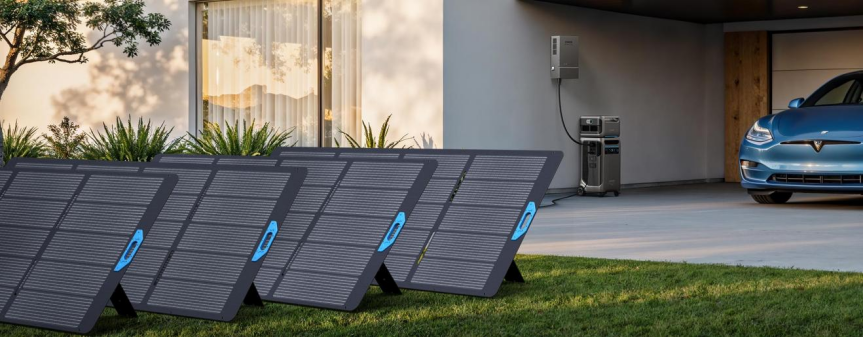
How Cloudy Weather Affects Solar Charging?
Reduced Sunlight, Reduced Output
Cloud cover can drastically affect solar panel efficiency. Panels rely on direct sunlight for optimal performance; clouds can obstruct light, leading to diminished solar energy output. Generally, solar panels can still function under cloudy conditions, often capturing 10-25% of their potential energy. However, heavy clouds can further cut efficiencies to even lower levels. When cloud cover persists, it’s crucial to consider high-efficiency panels that help mitigate performance drops, ensuring your solar power system remains as functional as possible under less-than-ideal conditions.
Diffuse Light Still Generates Power
Clouds scatter sunlight, resulting in diffuse light, still capable of generating solar power. While direct light is optimal, solar panels utilize diffuse light to produce energy. For example, the 400W solar panel that comes with the Anker SOLIX F3800 Plus performs exceptionally well in converting diffused light into usable electricity, providing an energy solution even on cloudy days. Though the efficiency decreases compared to clear days, understanding how solar panels harness diffuse light helps maximize generation. It’s a reminder that even when sunlight isn’t visible, your solar powered generator continues working—just at a reduced capacity.
Tips to Maximize Charging on Cloudy Days
Angling and Orientation Strategies
Aligning and angling solar panels correctly is crucial. Adjusting panels to face the sun directly can increase exposure, even on cloudy days. During overcast conditions, placing solar panels at an angle where they can capture diffuse light becomes pivotal. Consider seasonal adjustments in positioning to enhance year-round efficiency. Strategic placement ensures every ray of available light is used, optimizing the energy captured by the panels. Regularly revising these alignments can lead to improved solar harvesting, especially when weather conditions are less than favorable.
Use Larger or Higher-Efficiency Panels
Using larger or higher-efficiency panels is an effective response to reduced sunlight conditions. Opt for polyethylene panels or alternatives with proven high efficiency to capture as much solar energy as possible during cloudy days. The solar panel that comes with the Anker SOLIX F3800 Plus is a good example; it features an efficient mode that provides excellent charging even in the absence of direct sunlight. Investing in technology designed to perform well in lower light conditions pays off by providing you with reliable energy output, ensuring you make the most of your solar setup despite overcast skies.
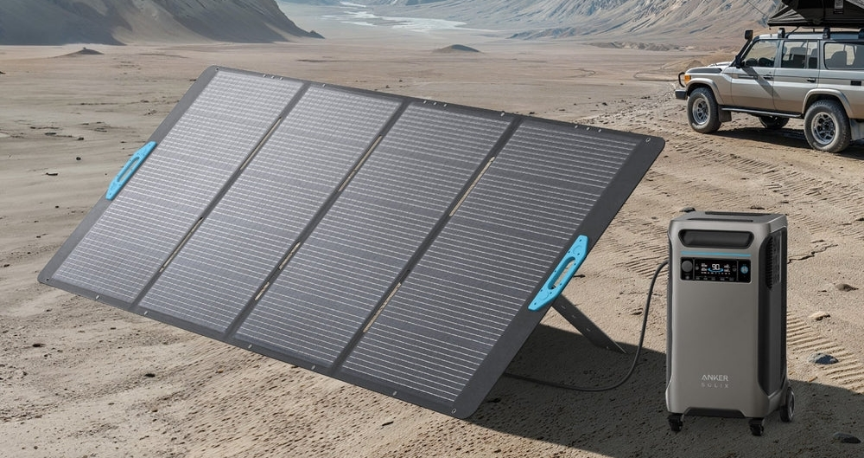
Pair With Batteries and Storage Planning
Integrating batteries with storage capacity elevates system resilience on cloudy days. Solar-generating systems can store excess energy produced during peak sunlight hours, releasing it when sunlight fades. Anker SOLIX’s expandable storage options allow up to 53.8kWh capacity, offering flexibility during periods of low light. Effective storage planning ensures you have consistent access to power without relying solely on immediate sunlight availability. These systems secure your energy needs through well-planned battery integration, which buffers against intermittent power production.
Smart Charging Strategies for All Weather
Hybrid Charging Options
Hybrid charging combines alternative power sources alongside solar for enhanced reliability and efficiency. Devices like Anker SOLIX F3800 Plus provide versatile charging means, including compatibility with gas generators and 240V bypass charging. These options maintain power supply without relying exclusively on solar. By adopting hybrid methods, users can effectively overcome deficits during cloudy periods, offering reliable performance regardless of the weather. This adaptable strategy ensures consistent functionality, even when solar availability varies due to changing climatic conditions.
Monitoring and Load Management
Implementing monitoring and load management techniques helps optimize generator functionality. Using apps like the Anker app, users can oversee charging, discharging, and battery status in real-time. Strategic load management diverts excess energy and reduces wastage, ensuring efficient energy use. Tailoring power consumption based on available energy facilitates greater control and adaptability. Monitoring systems enhance user engagement with energy usage, promoting sustained efficiency, especially beneficial during erratic weather impacts on solar production.
Conclusion
Effectively charging a solar generator on cloudy days demands strategic approaches and a thorough understanding. Reduced sunlight impacts solar performance, but techniques such as smart alignment, using high-efficiency panels, and engaging in hybrid charging bolster results. Equipping with battery storage and monitoring systems fortifies energy consistency. These strategies confirm solar solutions remain viable even under cloud-covered skies, ensuring your generator’s productivity. Embrace these insights to optimize solar energy generation, harmonizing technology with natural fluctuations for steadfast, reliable power year-round.